Annual Research Roundtable
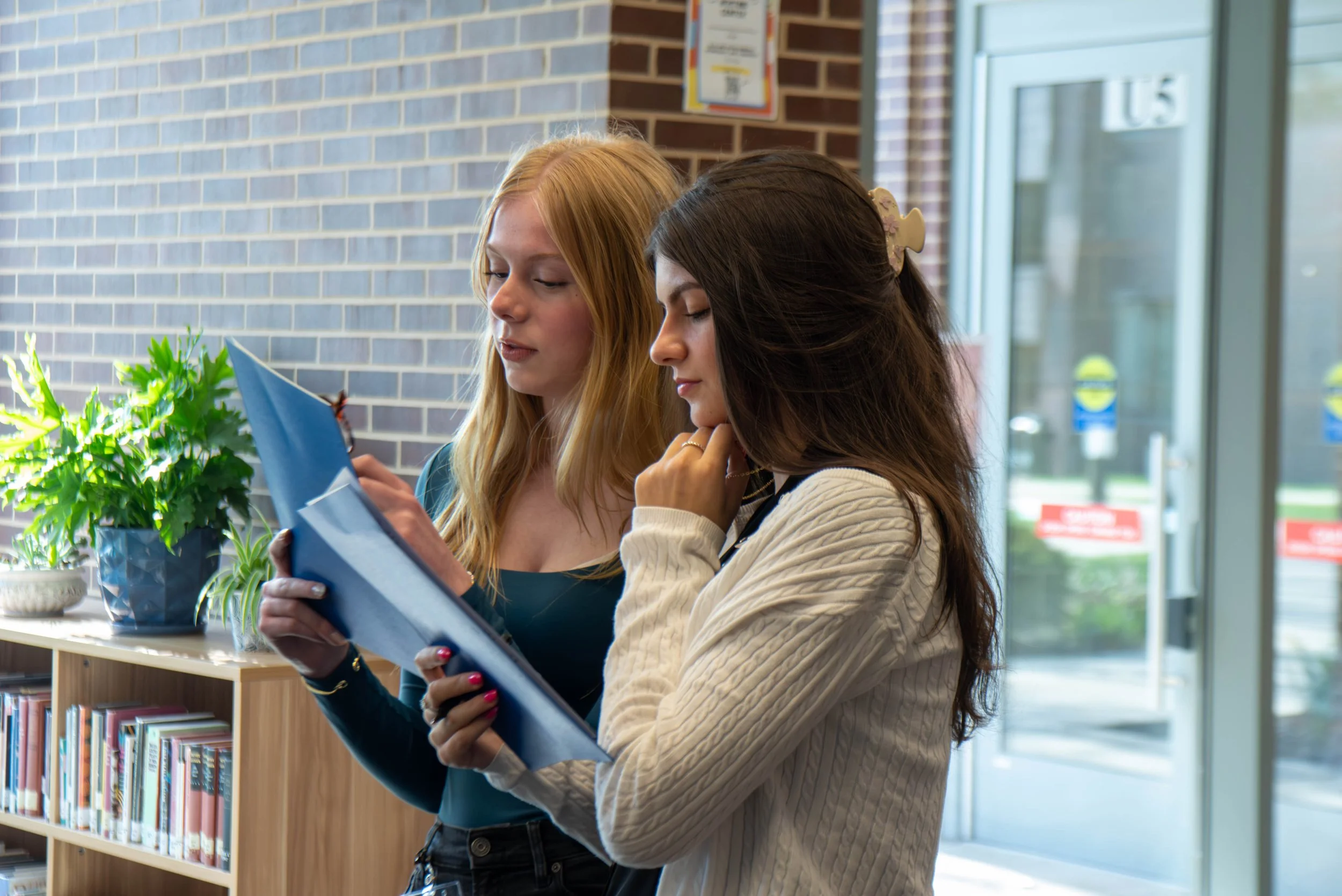
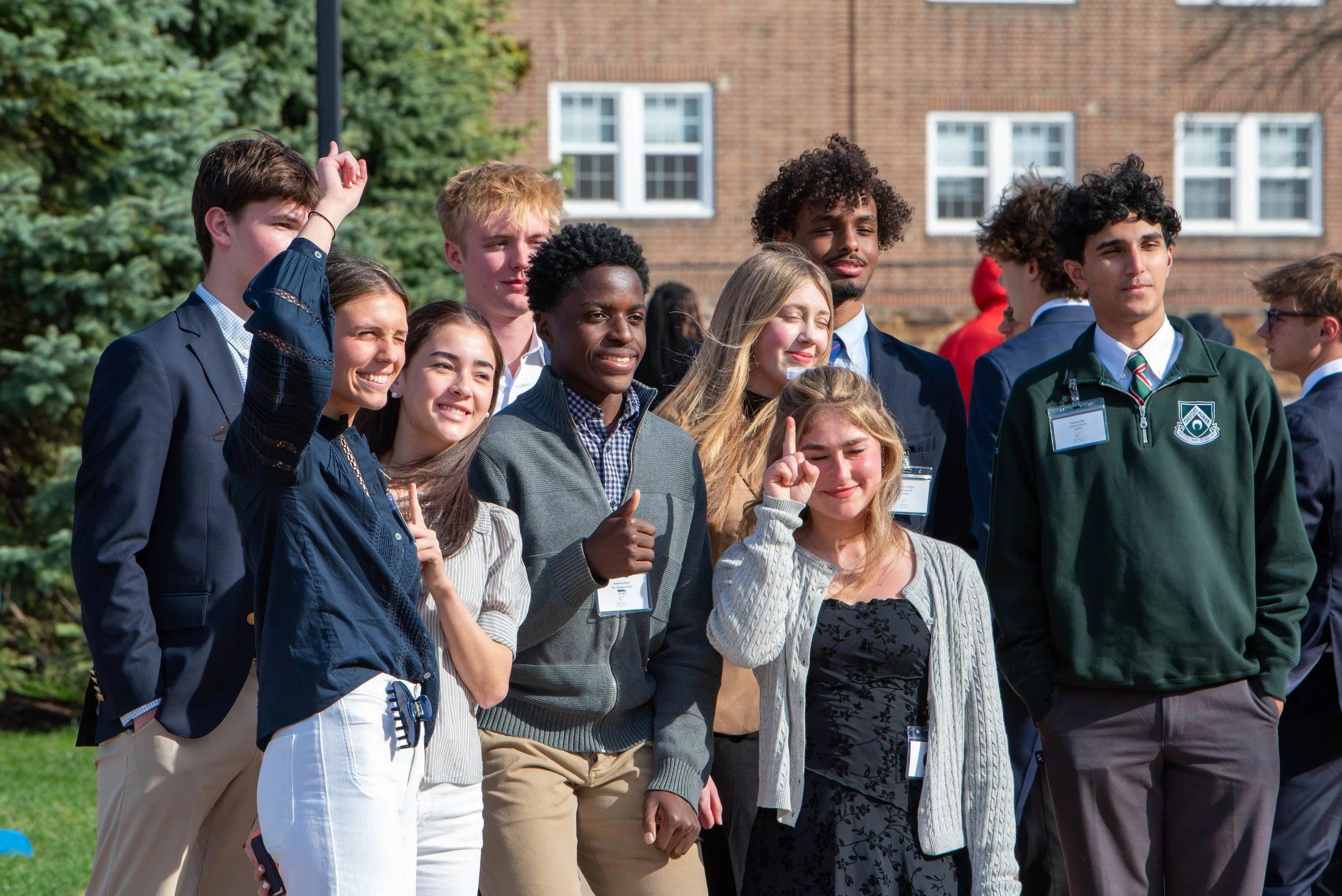
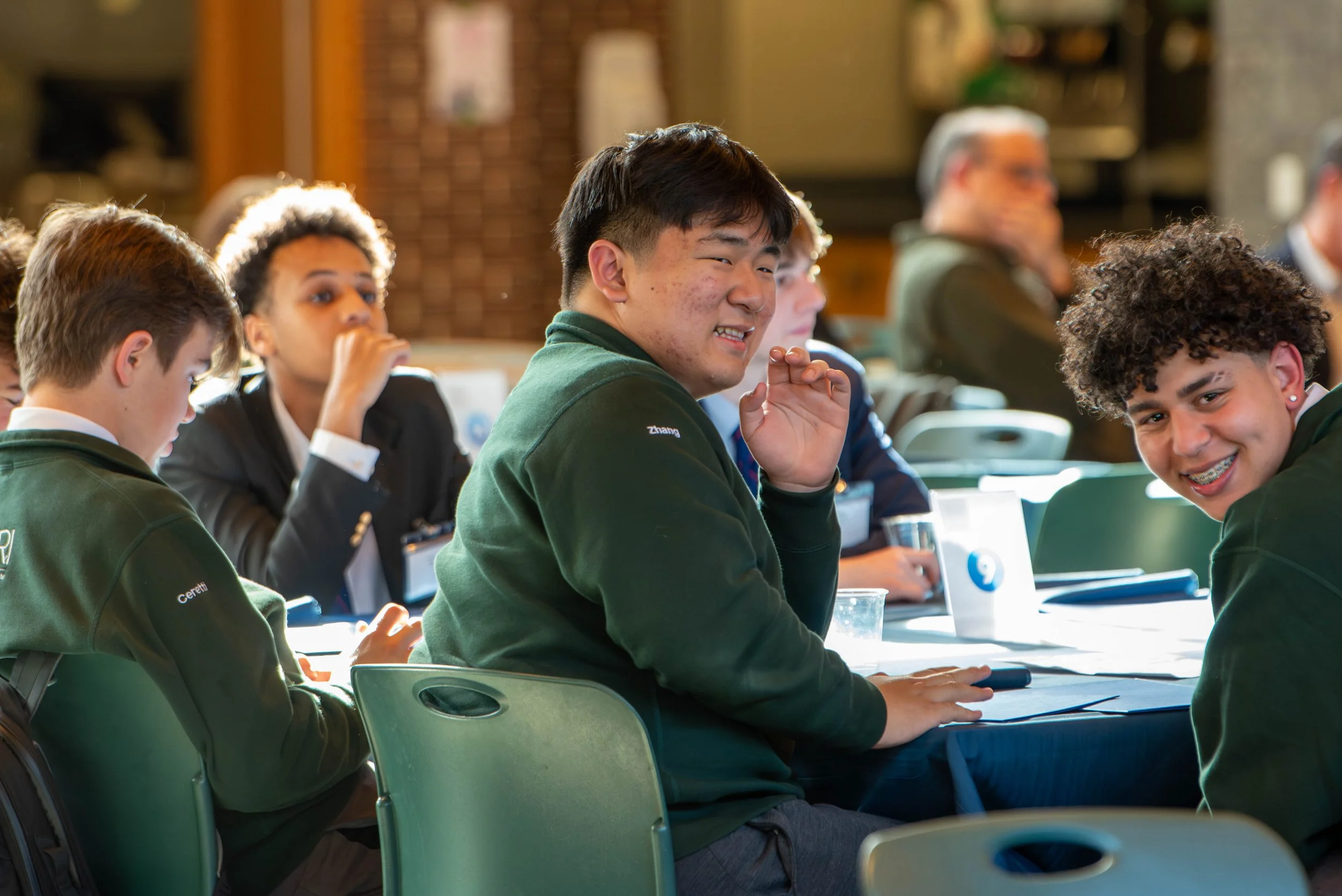
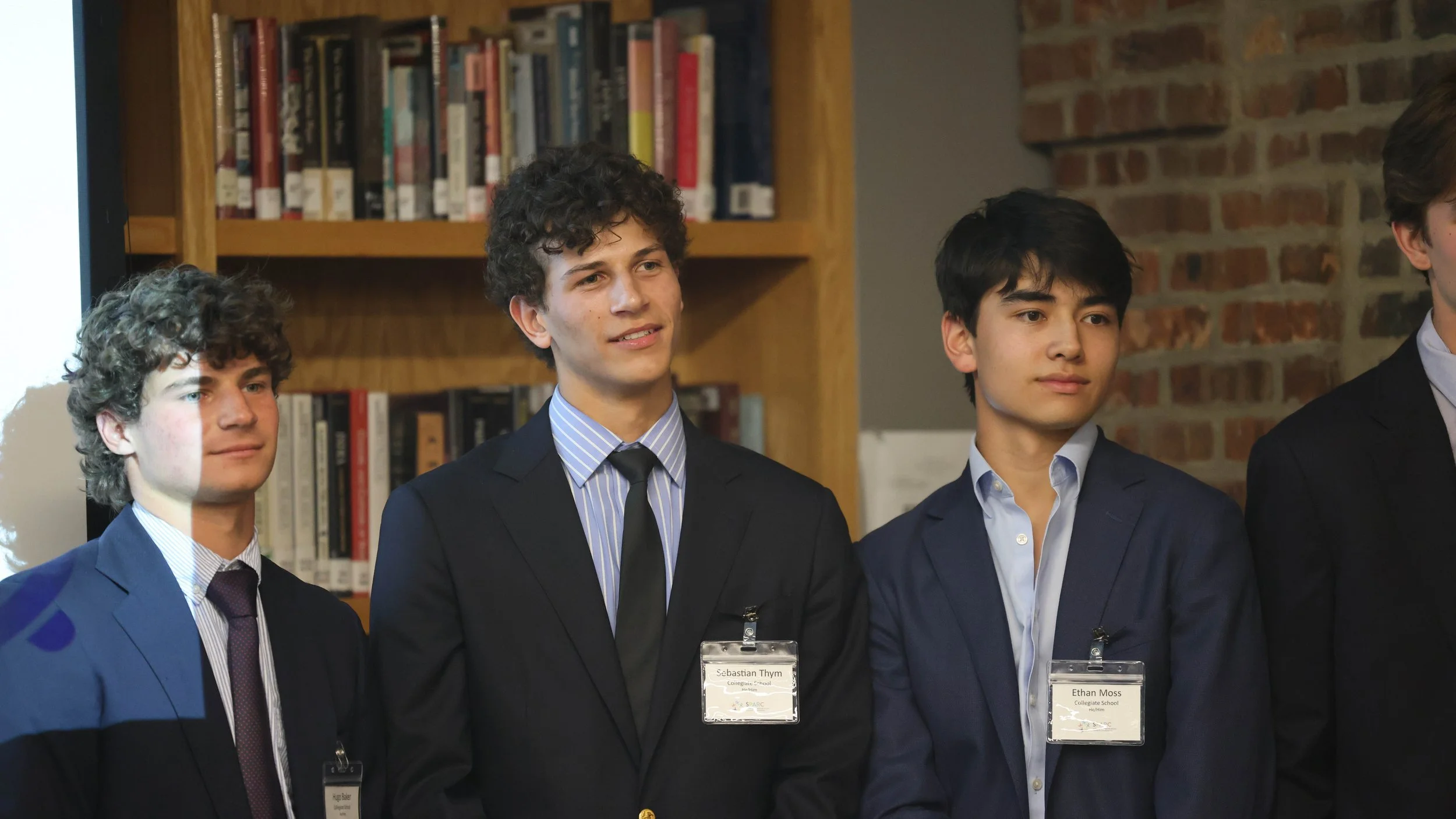
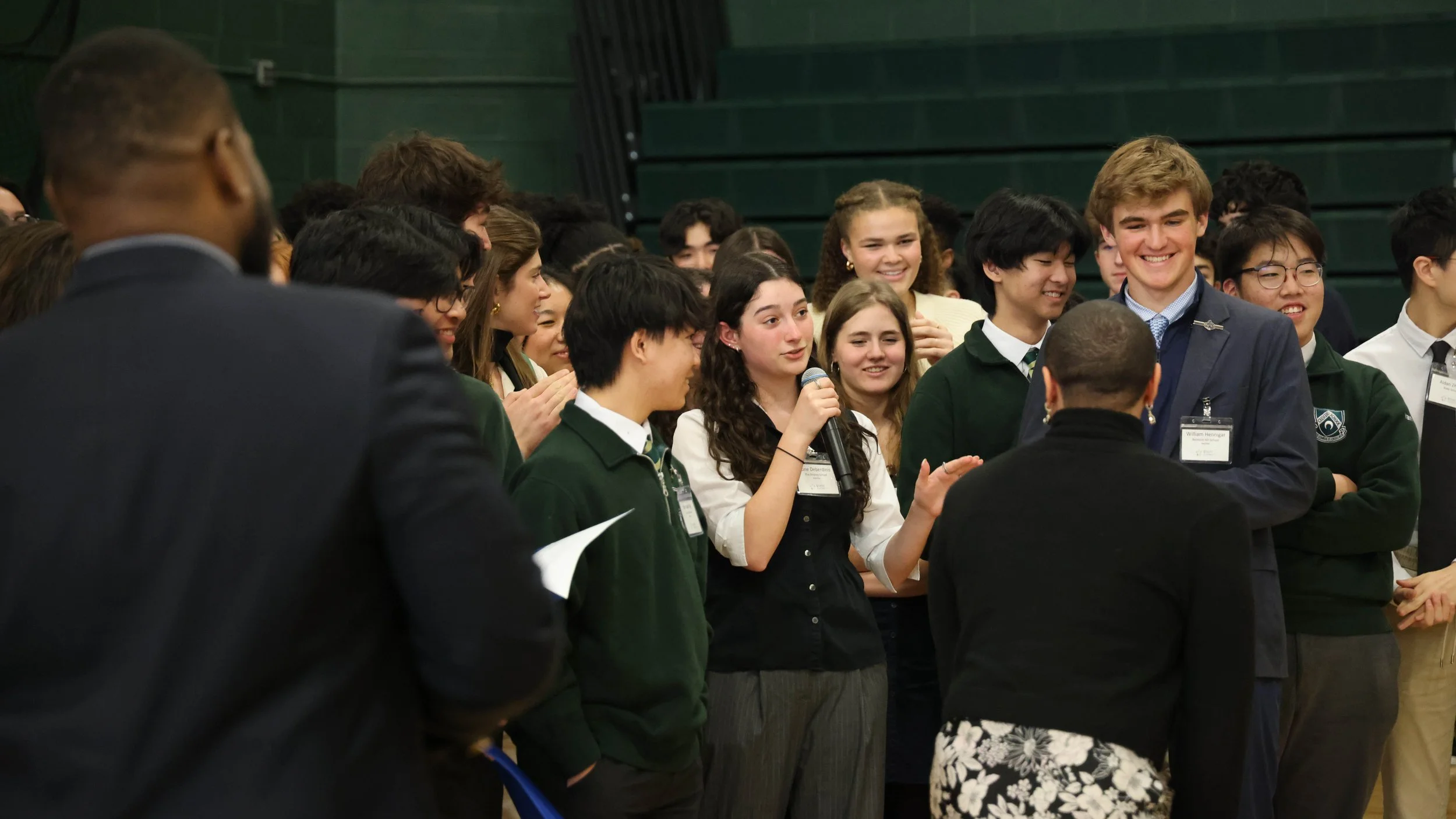
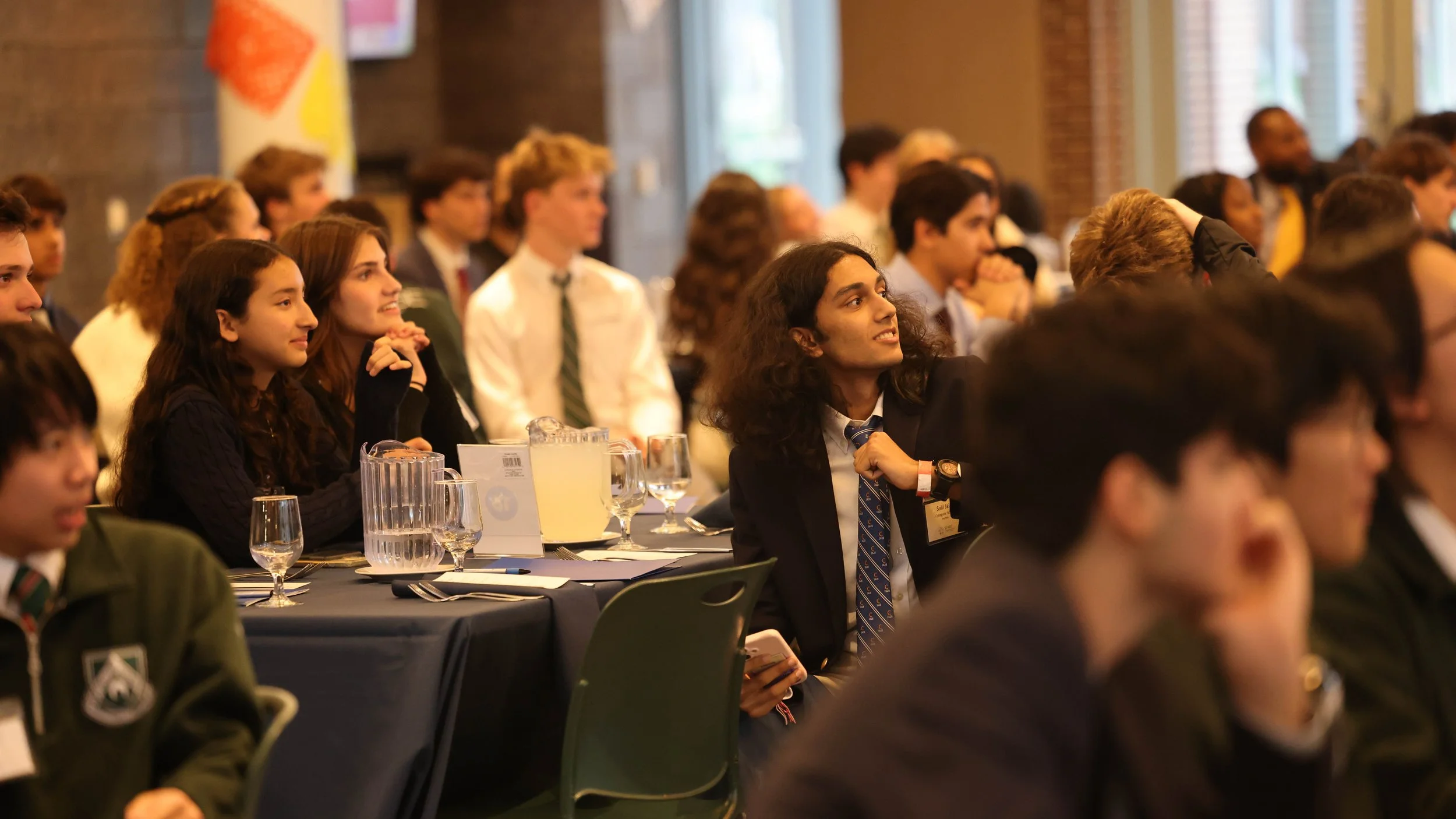
Every year student research teams gather in April, after months spent conducting their Youth Participatory Action Research (YPAR) projects across member schools. The Roundtable is the culminating event of the calendar year, a chance to present their research to students and teachers from other member schools, as well as to SPARC staff. The Roundtable in 2026 began on Sunday, April 12 at Shipley School in Bryn Mawr, PA. It opened with a reception followed by a plenary meeting that set the theme for the conference: Rigorous Research Methods to Produce Useful Knowledge. The first day also included a wonderful dinner at the school, which was followed by the first set of student research presentations. The Roundtable resumed the following day on the campus of the University of Pennsylvania with another series of student presentations that addressed a wide range of student concerns at their schools.
The Roundtable ended with a closing session and group photos.
SPARC Research
Student Thinking in Action: Finding Balance
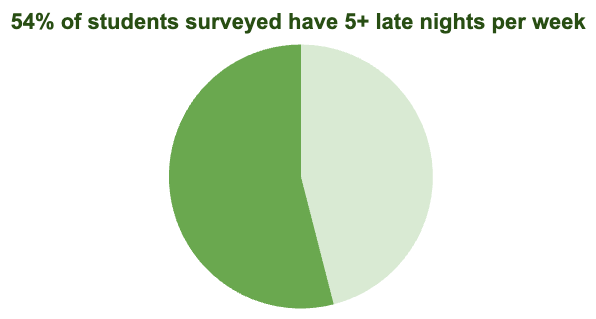
Published by the Crescent Centre for Boys' Education (CCBE) as part of a partnership with SPARC, this article shares a student-led research project from the Crescent Student Research Institute. A team of Upper School student researchers set out to answer one question: how does sleep quality affect the balance of students' lives in and out of school? Using survey data from Grade 11 students and focus groups with students in Grades 10 through 12, the team uncovered several surprising findings. More than half of surveyed students reported staying up late five or more nights a week, but homework volume had little to do with it. The bigger culprits were digital distractions, procrastination, and weak time management. The team also found that cutting extracurricular activities did not actually improve students' sleep or well-being, suggesting that balance is less about doing less and more about having better habits and routines. Based on these insights, the researchers recommended student-led workshops on time management, a school-wide awareness campaign on digital habits and sleep, and concrete strategies for handling overwhelm, such as breaking large tasks into smaller steps.